
Over the next few years, we may see a transition toward decentralis...
Over the next few years, we may see a transition toward decentralised identity frameworks that shift control of user data back to the individual. Rather than businesses acting as permanent custodians of sensitive personal informat
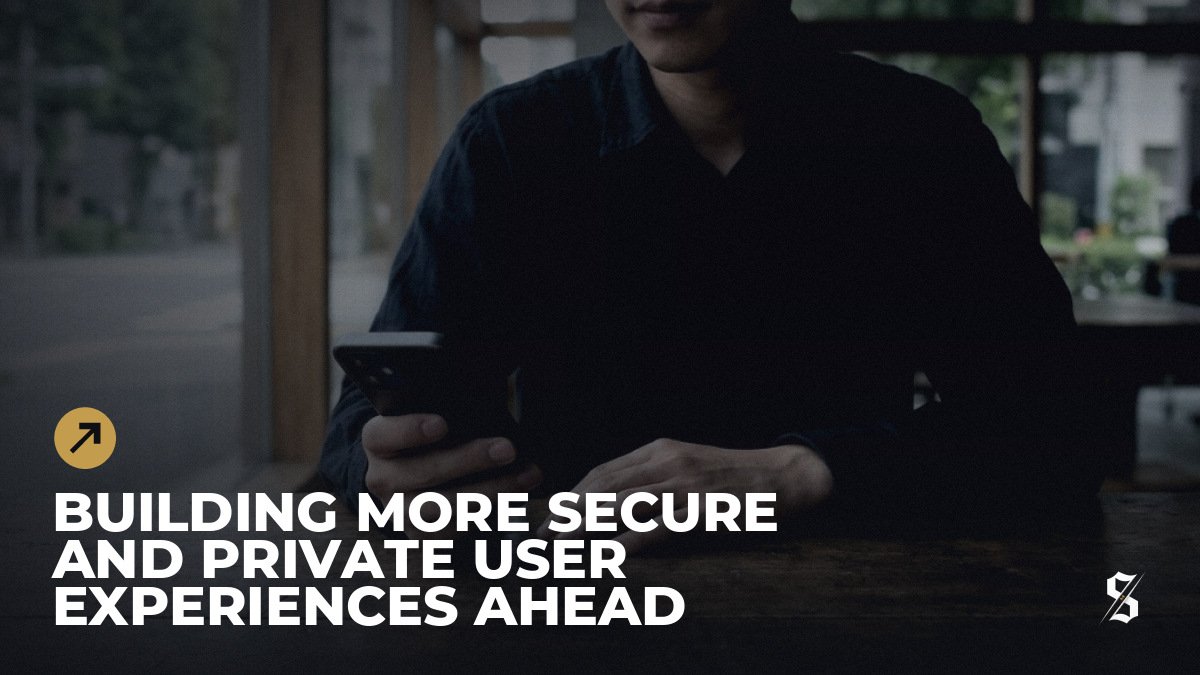
Over the next few years, we may see a transition toward decentralised identity frameworks that shift control of user data back to the individual. Rather than businesses acting as permanent custodians of sensitive personal information, we could rely on verifiable digital credentials stored in user-controlled wallets. This shift is driven by a growing regulatory focus on privacy and a need to reduce the liability associated with massive, centralised data breaches. Businesses should start evaluating how they can support standards like W3C Verifiable Credentials or Decentralised Identifiers within their customer portals. While full-scale adoption is still evolving, those who prepare for a "zero-knowledge" approach to identity will likely build significantly more trust with their users than those relying on traditional, honey-pot database structures. It is a fundamental change in how we think about user security.
#Technology #DigitalIdentity #WebDevelopment #CyberSecurity #FutureTech #Privacy #TechConsulting
#Technology #DigitalIdentity #WebDevelopment #CyberSecurity #FutureTech #Privacy #TechConsulting